Bangladesh has held its first contested president election in 35 years, choosing veteran politician Mirza Fakhrul Islam Alamgir as its new head of state. The vote in parliament marked a striking break from decades of uncontested, consensus picks for the post.
The Bangladesh president election caps a period of dramatic political change in the South Asian nation. Here is who won, why the contest mattered, and the turbulent backdrop against which it unfolded.
How the Bangladesh President Election Unfolded
Alamgir, the 78-year-old secretary general of the ruling Bangladesh Nationalist Party, was elected the country’s 23rd president. Lawmakers, not the public, choose the head of state in Bangladesh’s parliamentary system.
The Result in Numbers
According to the Election Commission and returning officer:
- Alamgir won 255 votes to 88 for his rival, retired Colonel Oli Ahmed.
- Of 349 eligible members of parliament, 343 cast ballots.
- Ahmed was the nominee of a Jamaat-e-Islami-led opposition alliance.
- Alamgir was due to take the oath of office on Friday in Dhaka.
It was the first contested presidential vote since 1991, when Bangladesh returned to parliamentary democracy. Every election for the post since then had drawn no challenger to the ruling party’s candidate.
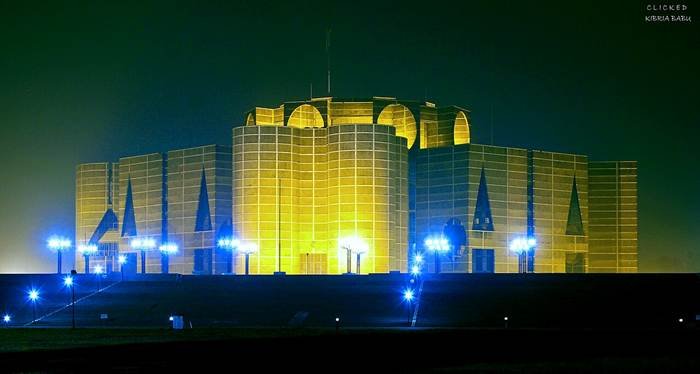
Why the Bangladesh President Election Mattered
The presidency in Bangladesh is largely ceremonial, with real power resting in the prime minister. But the office can play an important role during political crises, giving the choice added weight.
The vote was triggered by the resignation last month of the previous president, Mohammed Shahabuddin, a close ally of ousted former prime minister Sheikh Hasina. He stepped down midway through his term, citing health reasons.
His departure removed one of Hasina’s last remaining allies in the country’s institutions. That made the choice of a successor politically significant, even for a mostly symbolic role.
A Nation Transformed
The Bangladesh president election reflects a wider transformation in the country’s politics. Hasina was driven from power in a mass uprising in 2024 and fled to neighboring India, where she remains in exile.
After a period of interim rule led by Nobel laureate Muhammad Yunus, a new government headed by Prime Minister Tarique Rahman swept to power in a landslide earlier in 2026. Hasina, who was sentenced in absentia over the crackdown on protesters, has signaled a wish to return.
The new leadership now controls both the government and, with Alamgir, the presidency. Details of the country’s political institutions are published by the United Nations, which lists Bangladesh among its member states.
Shifts in national leadership ripple across a region and beyond. For related coverage of a major political development, see our report on the Gaza peace plan rejected by Netanyahu.
For a country that has lived through extraordinary upheaval in just two years, a contested vote for a ceremonial post is more than a formality. It is another marker of how thoroughly the old political order has been remade.
A single parliamentary vote has closed a 35-year chapter and underlined how much has changed in Bangladesh. For verified updates on the region, stay with NEWSCOUR.