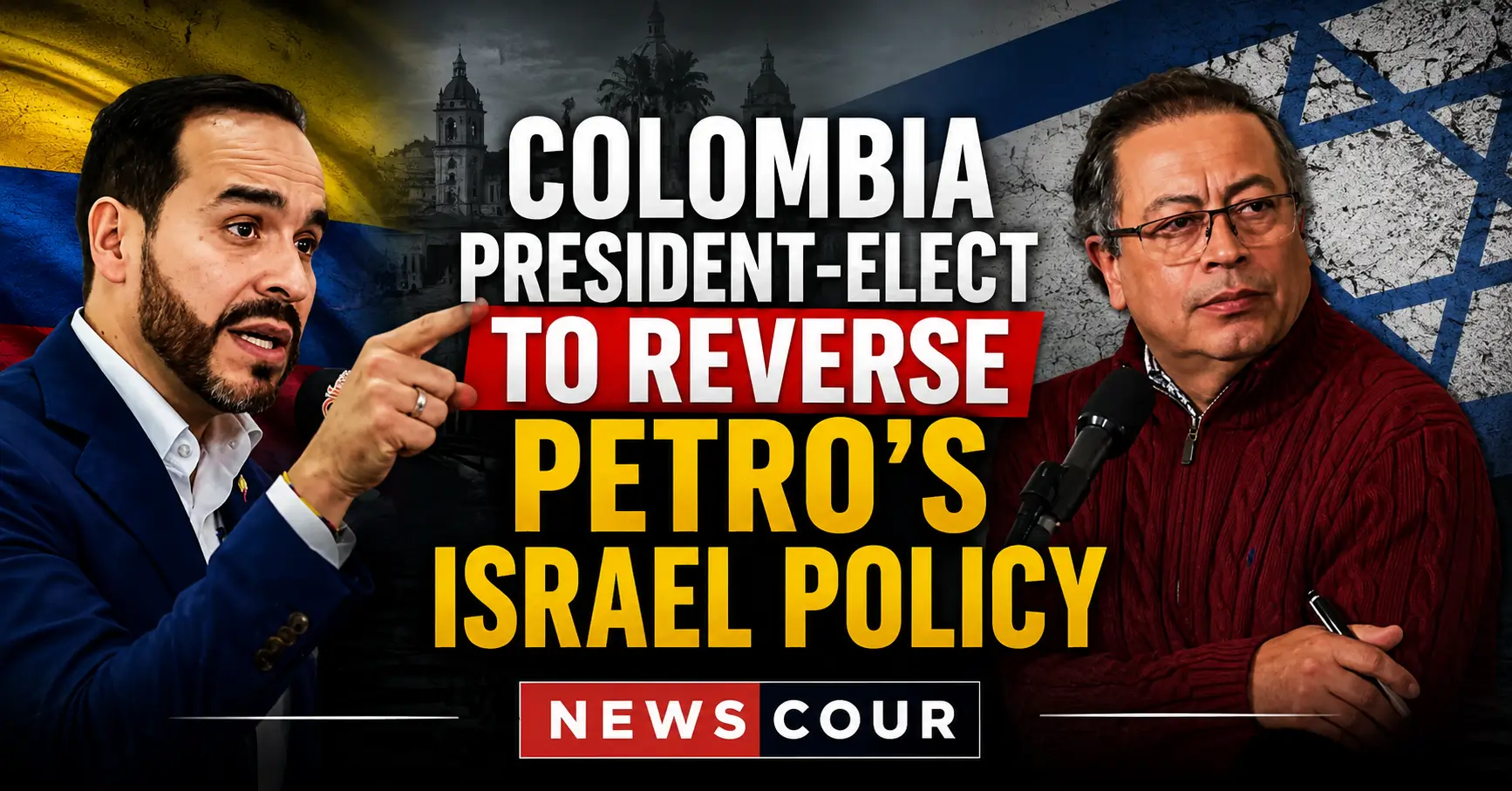
The Colombia president-elect Israel policy shift is no longer speculation. Abelardo de la Espriella’s transition team confirmed this week it is moving forward with plans to open an embassy in Jerusalem, undoing one of Gustavo Petro’s most contentious foreign policy decisions.
The announcement lands just weeks before de la Espriella takes office on August 7. His office said Colombia will also withdraw support for South Africa’s genocide case against Israel at the International Court of Justice a case Petro personally championed.
Who Is Abelardo de la Espriella?
De la Espriella is a political newcomer, a millionaire lawyer holding dual Colombian and US citizenship. He won June’s runoff by less than one percentage point over leftist rival Iván Cepeda, a margin of roughly 248,000 votes.
Backed publicly by President Trump, he campaigned on crushing Colombia’s armed groups through bombing campaigns and forging military alliances with Washington and Tel Aviv. Nicknamed “The Tiger,” he has never held elected office before.
How Petro Broke Ties With Israel in 2024
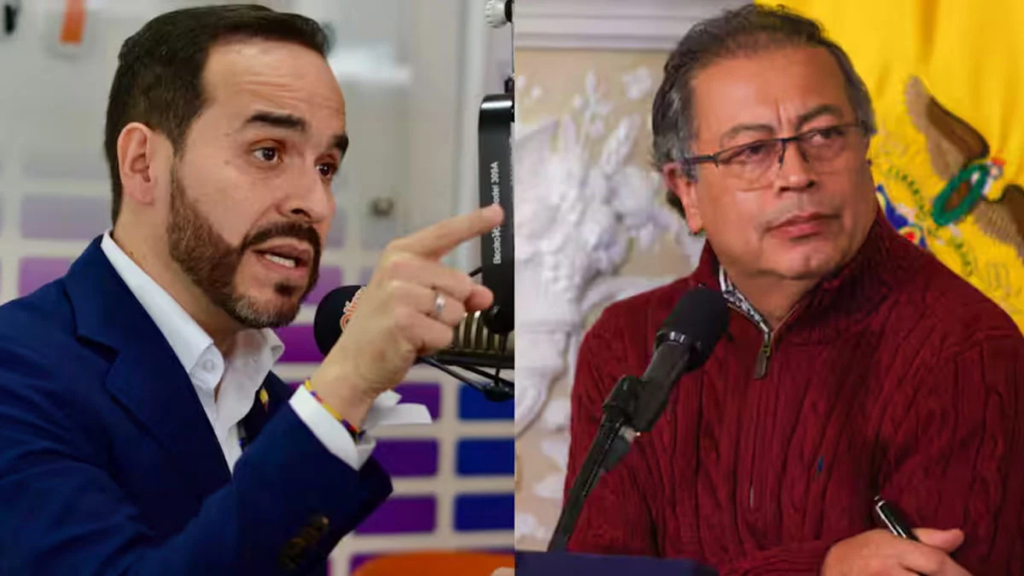
Colombia and Israel had maintained relations since 1957, with Israel serving as one of Bogotá’s primary military suppliers. That relationship collapsed in May 2024 when Petro severed diplomatic ties entirely.
READ MORE: Khamenei Funeral Draws 15 Million as His Heir Stays Hidden
Petro accused Israel’s Gaza campaign of constituting genocide, a term he used publicly as early as November 2023. Israel recalled its ambassador in June 2024, calling his rhetoric reckless and diplomatically damaging.
Key Steps in the Diplomatic Reversal
The incoming government has already outlined concrete actions rather than vague promises. According to statements from de la Espriella’s office and Israel’s Foreign Ministry, the roadmap includes:
- Opening a Colombian embassy in Jerusalem
- Restoring full diplomatic relations with Israel
- Eliminating travel visa requirements between the two countries
- Withdrawing support for South Africa’s ICJ genocide case
- Resuming arms imports and coal exports halted under Petro
Incoming foreign minister Omar Bula met Israeli counterpart Gideon Sa’ar in Washington to formalize this roadmap. Both sides described the meeting as productive, with Sa’ar’s office stating the historic relationship severed unilaterally would be “strengthened once again” once transition completes.
Jerusalem Embassy Plan Sparks Debate
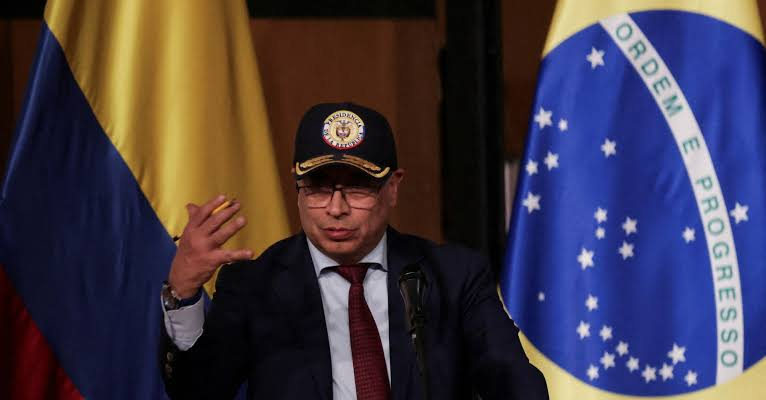
Relocating Colombia’s embassy to Jerusalem would mirror the United States’ controversial 2018 move under Trump’s first term. Most of the international community still recognizes Tel Aviv, not Jerusalem, as Israel’s diplomatic seat.
The plan is politically loaded. Petro reacted furiously, calling de la Espriella an “accomplice to genocide” on social media, writing that “anyone who supports genocide is complicit in it” following the transition team’s announcement.
Military Alliance With Israel and Washington
Colombia historically depended on Israeli hardware, including assault rifles, intelligence equipment, and fighter jet components. Petro’s suspension of these imports strained a military already struggling against expanding armed groups.
De la Espriella pledged during his campaign to seek both US and Israeli support for bombing operations against guerrilla forces. He has framed this as essential given what he calls Colombia’s worst violence levels in a decade.
Timeline: Colombia-Israel Relations
| Date | Event |
|---|---|
| 1957 | Colombia and Israel establish diplomatic relations |
| Nov 2023 | Petro publicly accuses Israel of genocide in Gaza |
| May 2024 | Petro severs diplomatic ties with Israel |
| June 2024 | Israel recalls ambassador; Colombia’s envoy departs |
| June 21, 2026 | De la Espriella narrowly wins presidential runoff |
| July 2026 | De la Espriella and Israeli President Herzog hold call |
| July 2026 | Foreign ministers meet in Washington, agree on roadmap |
| Aug 7, 2026 | De la Espriella’s inauguration |
Petro’s Reaction and Political Fallout
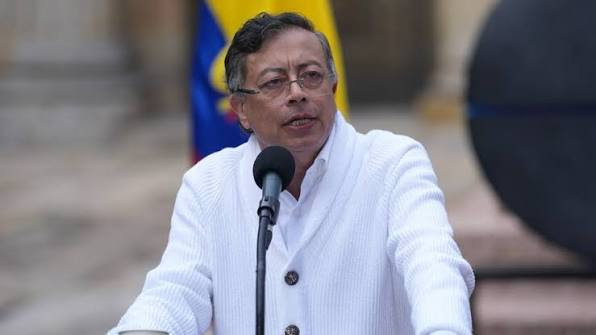
Petro has not stayed quiet as his signature Israel policy unravels before he even leaves office. His public accusations against de la Espriella have escalated tensions during an already fraught transition period.
Separately, the Trump administration revoked Petro’s US visa this year, citing what it called reckless and incendiary conduct. That decision underscores how sharply Washington’s posture toward Bogotá is expected to shift after August.
Can De La Espriella Deliver? What Experts Say
Analysts consulted by AFP have expressed skepticism about how quickly de la Espriella can execute his ambitious foreign policy agenda. Rebuilding severed military supply chains and diplomatic infrastructure typically takes years, not months.
Colombia also faces internal resistance, including congressional gridlock and skepticism from career diplomats. Experts note that reversing Petro’s ICJ position specifically could draw criticism from allies who supported South Africa’s genocide case internationally.
What This Reversal Means for the Region
This is bigger than one embassy relocation. Latin America has trended rightward recently, with voters across the region prioritizing security and economic stability over the ideological positions that defined Petro’s presidency.
Colombia’s pivot signals renewed alignment with Washington’s regional strategy, potentially isolating remaining left-leaning governments. It also raises fresh questions about how Gaza-related diplomacy will play out across Latin America going forward.