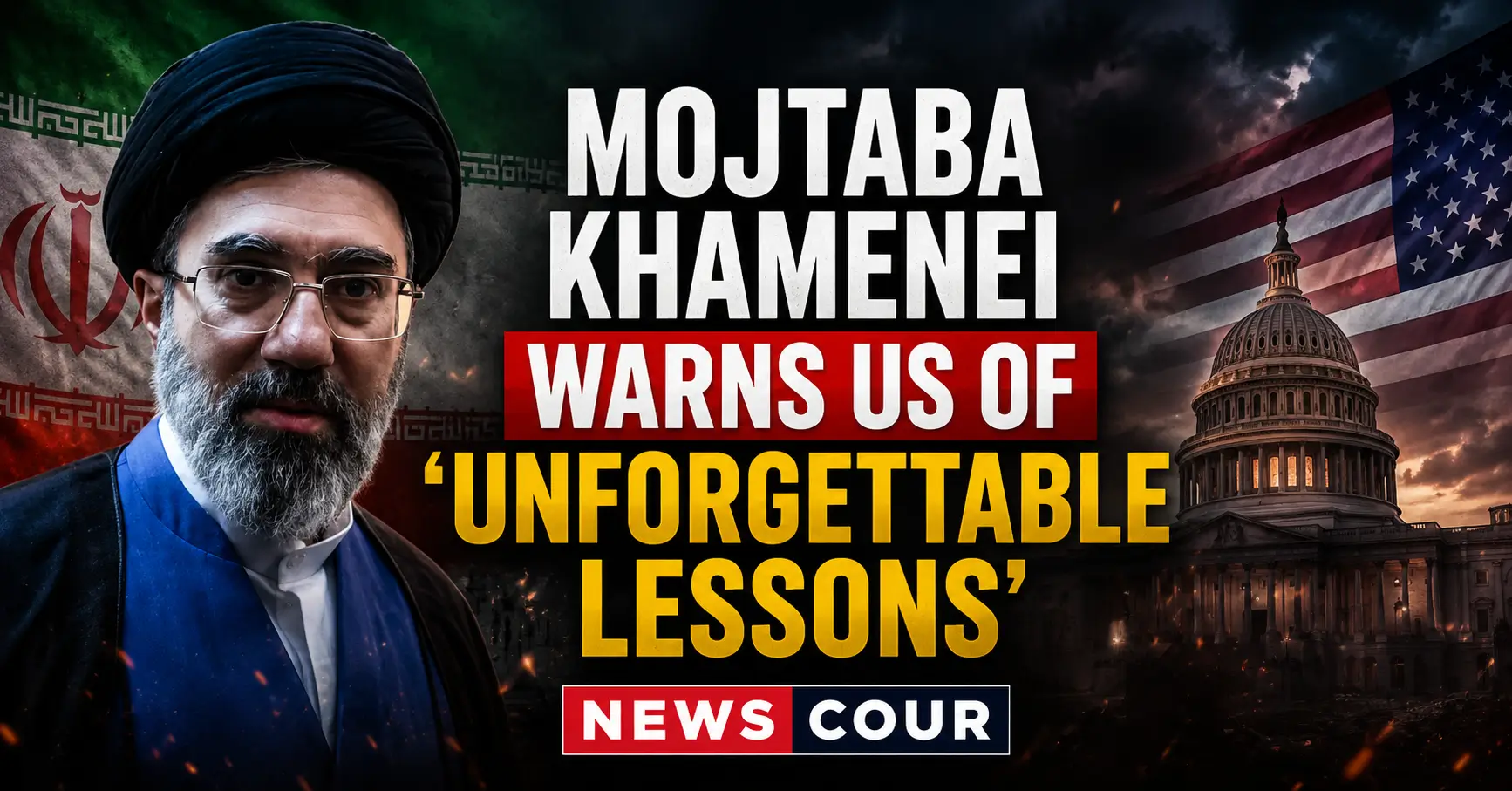
Mojtaba Khamenei’s warning that the United States will face “unforgettable lessons” has landed at the worst possible moment for regional stability.
The statement, read out on Iranian state television Saturday, comes as the US-Iran war grinds through its fifth month with no ceasefire in sight.
Mojtaba Khamenei’s Statement: What Was Actually Said
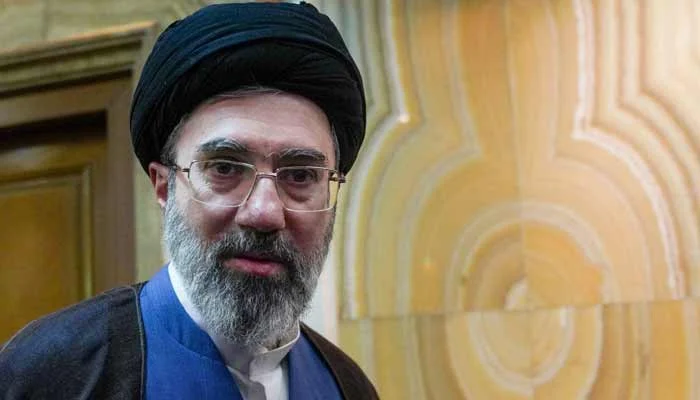
The written statement attributed to Iran’s supreme leader did not mince words. It accused Washington of turning bullying into official policy.
- The statement said repeated American violations proved the signature of the President of America is now utterly worthless and invalid, and that bullying, hegemonism and savagery are inseparable components of the American creed and doctrine.
- It warned that if the US keeps pushing for war, the dear nation of Iran and the Resistance Front hold unforgettable lessons for it.
- The message was read by a news anchor, not delivered personally by Khamenei a pattern that has held since he took power.
Analysts note this indirect delivery style continues to fuel speculation about the supreme leader’s health and battlefield exposure, a question that has followed him since February.
The Collapsed US-Iran Memorandum of Understanding
A month before this statement, Washington and Tehran had signed a preliminary framework aimed at winding down hostilities. That framework is now effectively dead.
Iran says the US broke the deal first by escalating strikes on non-military targets. The US dramatically escalated its attacks on Iran this week by targeting civilian infrastructure, including bridges, railway lines and water desalination plants. Tehran’s leadership points to this as proof the agreement was never honored in good faith.
READ MORE: Colombia President-Elect to Reverse Petro’s Israel Policy
The consequences on the ground have been severe. In Hormozgan province alone, strikes on a desalination plant left roughly 20 villages without running water, according to the province’s deputy governor. Bridges, a maritime control tower and rail lines further inland have also been hit during what Iranian state media describes as a seventh consecutive night of American strikes.
Regional Fallout: Kuwait, Jordan and Bahrain Under Fire
Iran’s retaliation has not stayed confined to Israeli or American targets — it has spilled across the Gulf.
| Country | Reported Impact |
|---|---|
| Kuwait | Power generation and desalination plant struck; residents told to ration electricity |
| Jordan | Two US service members killed, one missing, four medically evacuated (CENTCOM) |
| Bahrain | Air defenses reported to have repelled a wave of Iranian strikes |
| Kuwait (military) | 4 soldiers and 6 civilians killed since war began; 77 soldiers and 41 civilians injured |
US Central Command said that one service member remains missing following an Iranian strike on Friday, marking Washington’s first confirmed combat deaths since the renewed round of hostilities began. The Gulf Cooperation Council’s chief called the strikes on civilian infrastructure a “war crime” and a dangerous escalation — language rarely used so bluntly by a regional diplomatic body.
Who Is Mojtaba Khamenei? A Cleric Turned Wartime Leader
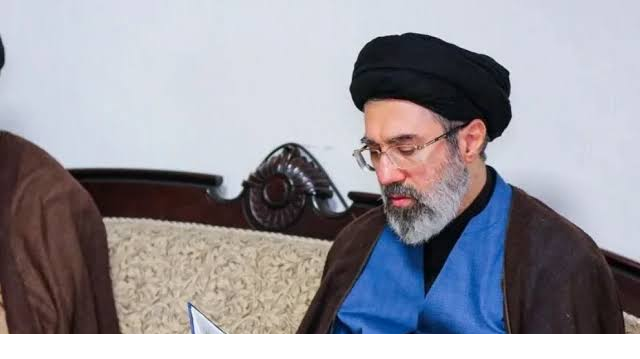
Understanding the man behind the statement matters. Mojtaba Khamenei is the second-oldest son of the late Ayatollah Ali Khamenei, who was killed in a US-Israeli strike on February 28.
- He trained as a cleric in Qom and reportedly served with a battalion linked to the Islamic Revolutionary Guard Corps during the Iran-Iraq war.
- The US Treasury sanctioned him back in 2019 for advancing his father’s “destabilizing regional ambitions.”
- He was elected by Iran’s Assembly of Experts after reported pressure from the IRGC, a process critics say bypassed normal deliberation.
President Trump publicly said he was “disappointed” by the choice, predicting it would mean “more of the same problem for the country.” That prediction now looks prescient to critics of the current escalation, though supporters argue Khamenei is simply defending Iranian sovereignty.
Expert and Military Reaction
Military voices close to Khamenei have echoed his rhetoric with even sharper language. Major General Mohsen Rezaei, a senior adviser to the supreme leader, warned that Tehran would resume “full-scale offensive operations” if US strikes continued, adding that Iran would no longer limit itself to tit-for-tat responses.
Middle East analyst Zeidon Alkinani has offered a more skeptical read of the leadership’s messaging. He argued that leaning on armed resistance rhetoric lets Khamenei sidestep harder questions about the state of Iran’s economy and governance issues that matter far more to ordinary Iranians than battlefield boasts.
That gap between wartime rhetoric and domestic hardship is worth watching. Iran’s own figures put military and civilian deaths well into the thousands since February, a toll that dwarfs the losses reported by any of its regional neighbors.
What This Means Going Forward
Neither side currently shows appetite for de-escalation. Washington continues nightly strikes; Tehran continues hitting American allies across the Gulf. The collapsed MoU leaves no formal diplomatic channel currently active between the two governments.
- Gulf states Kuwait, Bahrain, Jordan, Qatar are increasingly caught in the crossfire despite not being direct combatants.
- Regional condemnation is growing louder, with foreign ministries across the Middle East issuing formal statements against the strikes.
- Any near-term resolution likely depends on whether Washington and Tehran can rebuild the trust the MoU was meant to establish trust that Mojtaba Khamenei’s statement suggests is now gone.
With American troops dying on Jordanian soil and Gulf infrastructure going dark, the “unforgettable lessons” Khamenei promises may already be underway just not in the way either side intended.