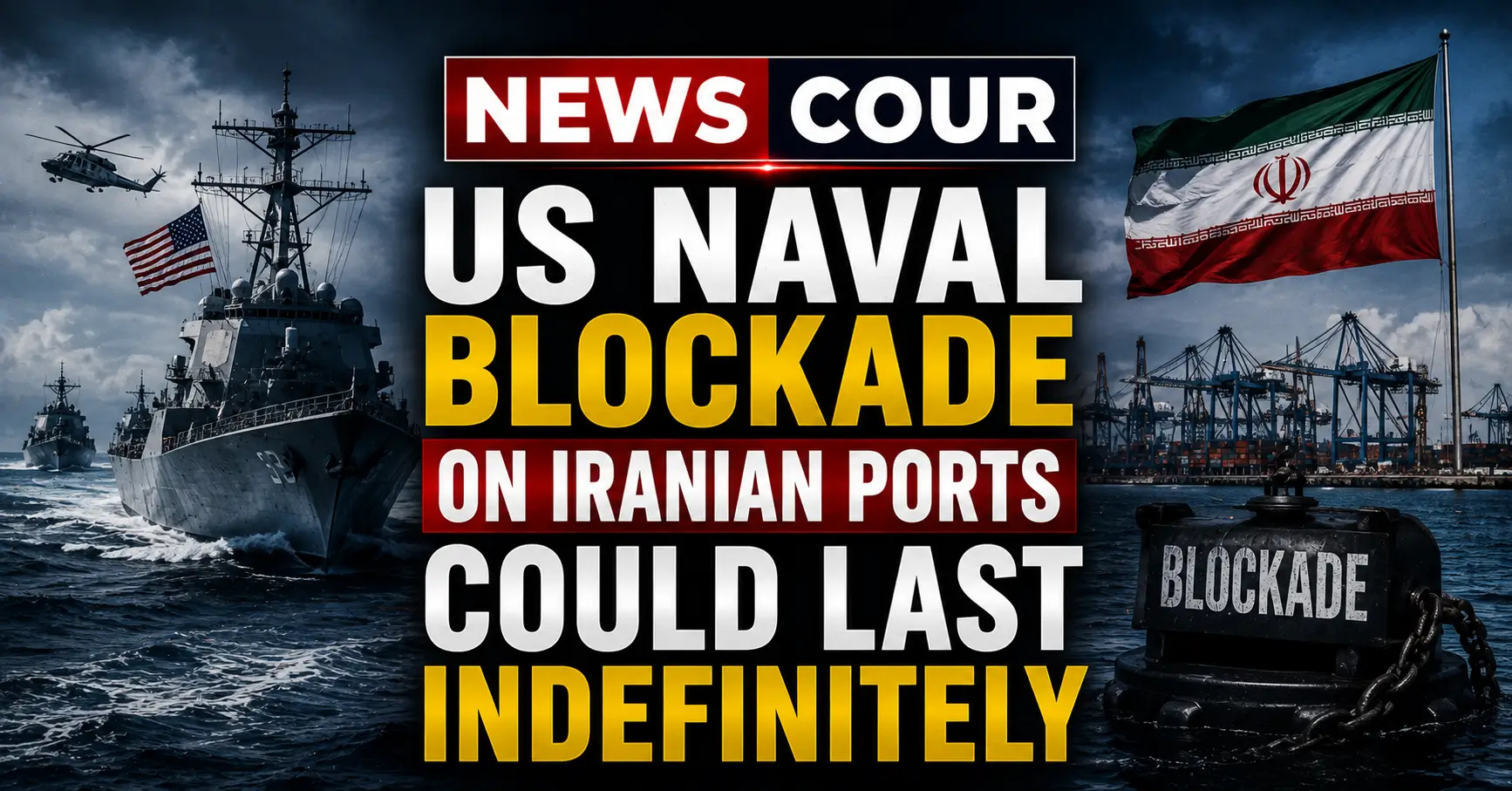
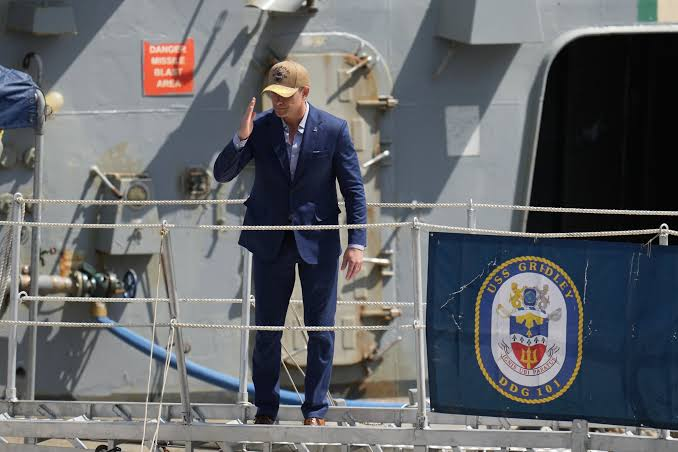
The US naval blockade on Iranian ports isn’t going anywhere soon — and the Pentagon just said so out loud. Standing aboard a warship in Panama, Defense Secretary Pete Hegseth told reporters the United States has the ships, the manpower, and the will to keep the blockade running for as long as it takes.
That single line reframes a six-month standoff. It’s no longer about a quick military fix. It’s about attrition.
Pentagon Chief Says Blockade Can Run Indefinitely
Hegseth didn’t hedge. Speaking Thursday after addressing the crew of the USS Gridley, a guided-missile destroyer, he said the Navy could sustain the operation without a hard end date.
“Indefinitely the United States Navy can maintain a blockade like that because we’ll rotate ships in and out, as we have, and we’ll continue to,” Hegseth told reporters. The message was aimed at Tehran as much as at Washington’s own war-weary public.
Inside Hegseth’s Panama Remarks
The location mattered. Panama sits along a maritime corridor Washington has increasingly tied to broader naval strategy, and addressing sailors there let Hegseth pair the Iran message with a show of fleet readiness.
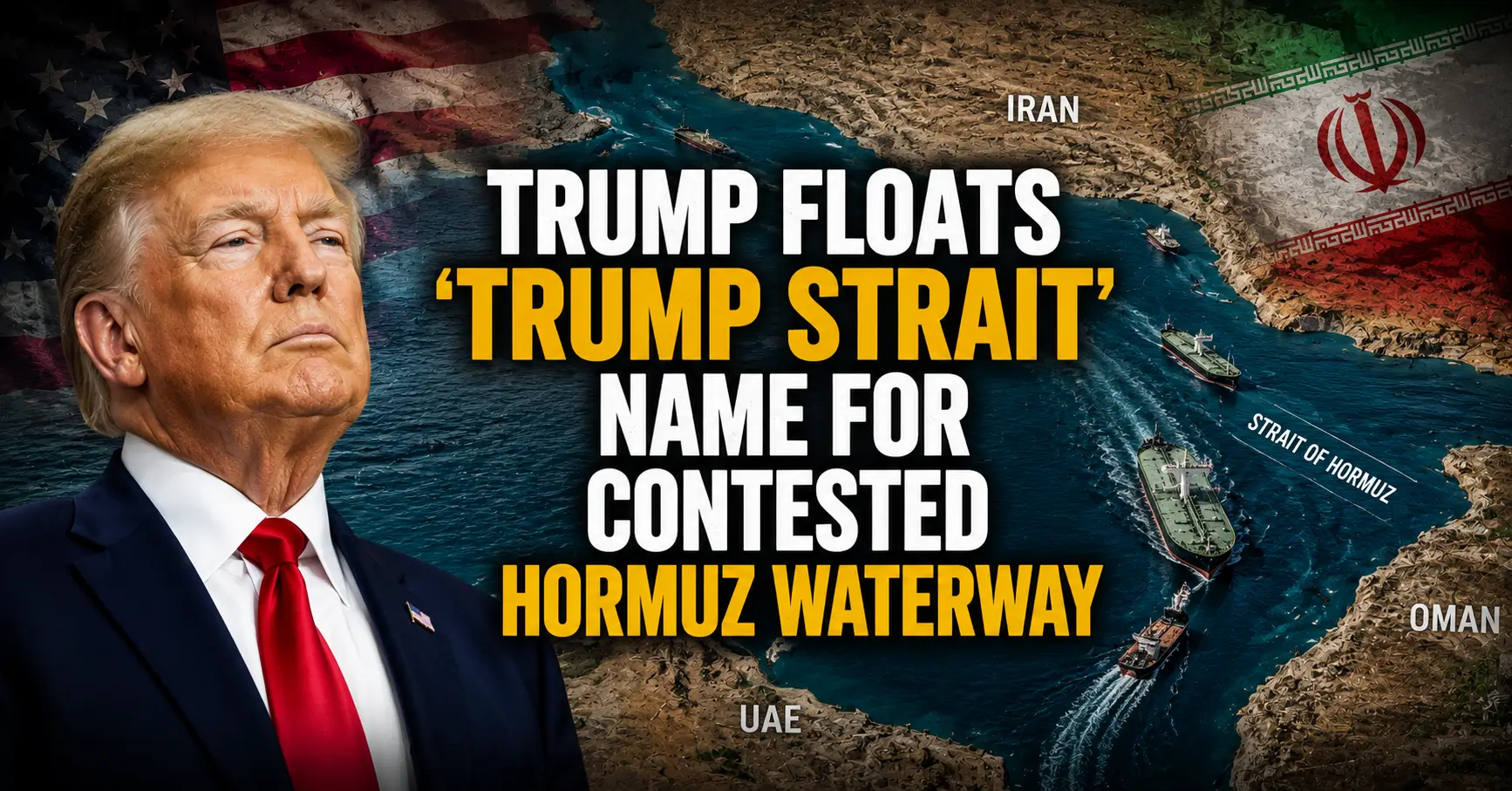
President Donald Trump had already set the tone a day earlier, declaring the US “in control” of the Strait of Hormuz. Hegseth’s comments read like the military follow-through on that political claim — a signal that patience, not another strike package, is now the operating strategy.
The Blockade by the Numbers
The scale of the operation is bigger than most headlines suggest. Washington has moved tens of thousands of troops into the region since the war began in February, backed by more than 20 warships.
Here’s what the campaign looks like on paper:
| Metric | Figure |
|---|---|
| Warships deployed | 20+ |
| Commercial vessels redirected | 55+ |
| Ships disabled | 3 |
| Ships boarded | 2 |
| War start date | February 28, 2026 |
| Blockade reimposed | July 14, 2026 |
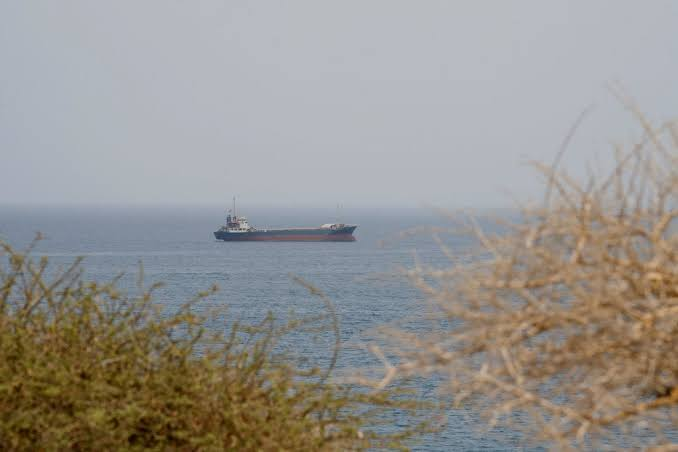
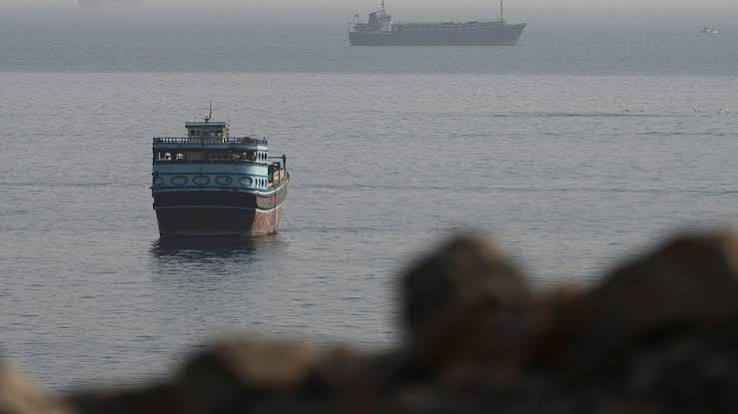
- A US Navy MH-60 helicopter fired two Hellfire missiles into the engine room of a Panama-flagged ship earlier this week after it ignored warnings.
- The blockade covers the entire Iranian coastline, per US Central Command, while Washington insists it still protects passage for vessels not bound for Iranian ports.
- Iran’s new security chief says the strait stays shut until Washington ends both the war and the blockade.
Why the Blockade Came Back
This isn’t the campaign’s first run. The US first imposed the blockade on April 13, after talks in Islamabad collapsed. It lifted in mid-June, when Trump and Iranian President Masoud Pezeshkian signed a memorandum promising 60 days of safe, free passage through Hormuz.
ALSO READ THIS: Afghanistan Bomb Attack Kills Mayor of Faizabad City
That arrangement didn’t survive the summer. Renewed attacks on commercial vessels — and mounting friction with Arab states accusing Iran of noncompliance — pushed Washington to reimpose the blockade on July 14. The US naval blockade on Iranian ports has now run for weeks with no diplomatic off-ramp in sight.
Iran’s Hardening Position on Hormuz
Tehran isn’t blinking. Mohsen Rezaei, Iran’s newly appointed security chief, laid out conditions this month that go well beyond the strait itself.
“The Strait of Hormuz will remain closed until all conditions are met,” Rezaei said in a statement, listing an end to the war, the release of frozen Iranian assets, and resolution of conflicts in Lebanon and Gaza as prerequisites for reopening.
Trump’s own rhetoric hasn’t softened either. “I don’t trust Iran. I’m the last person to trust Iran. They’ve lied to me constantly,” he said, adding that further provocation would leave Tehran risking severe consequences. Analysts tracking the standoff describe both capitals as hardening positions even as backchannel mediators report incremental progress.
Economic Pressure Over Military Escalation
Trump has signaled a shift in approach — betting on economic strangulation rather than fresh airstrikes. He told interviewers last weekend he’s willing to let financial pressure build inside Iran rather than order another offensive.
That calculation carries domestic risk. The war remains deeply unpopular at home, and Trump faces pressure to show progress before November’s midterm elections. A blockade with no clear timeline is a hard sell to voters wanting resolution, not routine.
- Iranian strikes near Hormuz and Houthi attacks in the Red Sea continue pushing shippers away from both routes.
- About a quarter of the world’s seaborne oil trade and a fifth of global LNG shipments historically pass through the strait.
- The blockade is estimated to be costing Iran roughly $500 million a day, according to US officials.
What Happens Next
Nothing about this conflict points to a quick resolution. Iran’s military establishment currently appears to be steering regime decision-making, and it seems convinced Tehran can outlast Washington. Pezeshkian and other pro-negotiation officials are pushing back, but they’re facing internal pressure from factions demanding more, not less.
For now, the US naval blockade on Iranian ports stands as Washington’s primary lever — a slow squeeze instead of a knockout blow. That strategy forces Tehran back to the table, or simply drags the standoff further into 2027, depends on which faction in Iran ends up holding the upper hand.